Living in Los Angeles County brings plenty of sunshine and great ocean breezes. We love keeping our windows open to let that fresh air inside. But that coastal wind also blows fine sand, street exhaust, and pollen right into our houses. Over the years, all that debris gets sucked into your return grilles. It settles deep inside the hidden metal and plastic pipes in your attic or crawlspace.
Most people never think about this hidden network of pipes. Out of sight usually means out of mind. However, ignoring your ventilation system allows a massive amount of dirt to build up. This buildup eventually chokes your expensive cooling equipment. It also ruins the air you breathe every day.
You do not have to guess if your pipes are dirty. If you know exactly what to look for, the physical clues in your house are very obvious. If you want to protect your home, here are the clear signs your air ducts need cleaning and how to check for them today.
Visual dirty air ducts symptoms
Your heating and cooling equipment is built to circulate clean, filtered air. You should never actually see the air moving through your rooms.
The Flashlight Test
The most undeniable red flag is visible dust coming from vents the moment your blower motor kicks on. Look up at your ceiling registers when the thermostat clicks. Do you see a sudden puff of gray dirt shoot into the room? If so, your internal piping is overloaded with debris.
You can run a very simple diagnostic test tonight. Turn off all the lights in a room. Go to your thermostat and turn the fan setting to “On.” Grab a bright LED flashlight and shine the beam directly across the front of the vent cover. If the light catches a steady stream of floating particles shooting into the room, your filter has failed. The system is actively blowing trapped dirt back into your house.
A Never-Ending Dusting Chore
You will also notice this problem on your furniture. Spend your Saturday morning wiping down your glass coffee table and dark wooden shelves. If you find a thick layer of gray fuzz settled on those exact same surfaces by Monday morning, your ventilation system is fighting against you. Your house gets dirty incredibly fast because the AC is acting like a reverse vacuum cleaner.
Strange Odors and Coastal Moisture
Sometimes the warning clues are olfactory rather than visual. Long Beach has a unique coastal climate with higher ambient humidity. That ocean moisture feels great outside, but it easily gets trapped inside dark, insulated AC pipes.
The Smell of Hidden Mold
When ordinary house dust mixes with trapped coastal condensation, it creates a perfect breeding ground for mold. Homeowners constantly ask us, what are the signs that my air ducts need cleaning if the house looks totally clean? A foul, musty odor is a massive warning sign. It usually smells like dirty gym socks, wet cardboard, or a damp basement.
Get close to a supply register right when the air conditioning first kicks on. Take a deep breath. If you immediately smell something sour or musty, you likely have active fungal growth inside the system.
Safety Note: Do not unscrew the vent covers and spray household bleach inside. Disturbing active mold instantly releases millions of toxic spores into your breathing air. You need a licensed pro with negative-air machines to handle this safely.
Pest Infestations in Older Homes
Many older craftsman bungalows in the area feature raised foundations with dark crawlspaces. Mice and rats love to chew through the soft outer insulation of flexible AC piping to build nests inside.
Once rodents get inside the warm pipes, they leave behind droppings and urine. If you smell a sharp ammonia odor or hear faint scratching noises when the fan is off, you have a breached system. The smell of pests is one of the most urgent signs you need air duct cleaning. You will need an exterminator first, followed immediately by a deep clean to sanitize the pipes.
Unexplained Respiratory Irritation
Protecting your family’s health is your top priority. Allergies and asthma can be triggered by many normal things, including a new pet or high outdoor pollen counts. But you can often trace the root of the problem directly back to your HVAC system.
Watch for a very specific timing pattern. Does your family start coughing, sneezing, or getting watery eyes the exact second the air conditioning turns on? Do those annoying symptoms magically stop when you turn the system off and open the back door?
If so, your system is blowing trapped allergens straight into your face. The rushing air kicks up years of pet dander and pollen trapped inside the metal trunks. Worsening indoor allergies that only happen when the AC runs are clear signs air ducts need cleaning. Removing the source of the irritation is the only way to breathe easier.
You Just Finished a Remodel
Remodeling a kitchen or tearing down a drywall partition creates a massive mess. Contractors do their absolute best to hang plastic sheeting to contain the dirt. But fine drywall dust and sawdust are insidious.
This white powder easily slips right past standard residential air filters. It gets sucked into your return vents and coats the inside of your entire duct system. Drywall dust is incredibly abrasive. If left inside the pipes, it will eventually get sucked into the blower motor and ruin the bearings.
If you just finished a major home renovation, all that hidden construction dust is a serious hazard. Even if the remodel was just in one room, the connected pipes spread the dirt everywhere.
High Bills and Weak Airflow
Sometimes the symptoms do not show up as dust or smells. They show up directly on your monthly utility bill. Your cooling equipment relies on perfectly balanced air pressure to run right.
Hold your hand over a vent in your bedroom. If you barely feel a trickle of air coming out, you have a severe restriction. Sometimes a pipe gets crushed by accident in the attic. But usually, a thick wall of dirt and debris is choking off the airflow.
When air cannot flow freely, your equipment has to run twice as long to drop the temperature in the room. This extended runtime puts a massive strain on your outdoor compressor. It also causes your electricity bill to skyrocket. If your rates are climbing but your home still feels warm, you might ask yourself: is air duct cleaning needed to fix this? Yes. Removing the heavy blockages lets the system breathe and restores normal airflow.
Finding the Right Professional Help
If you recognize one or more of these physical indicators in your house, it is time to take action. You know you have a problem. Your next thought is likely: do i need air duct cleaning from a professional, or can I do it myself?
You absolutely need a professional. You cannot reach deep enough into the pipes with a household shop vacuum. However, it is critical to hire the right company for the job.
Do not fall for cheap $99 flyer specials that arrive in your mailbox. Those are predatory scams. A cheap cleaner just vacuums the vent covers and leaves the deep dirt untouched. Then they try to aggressively sell you fake mold treatments or unnecessary UV lights.
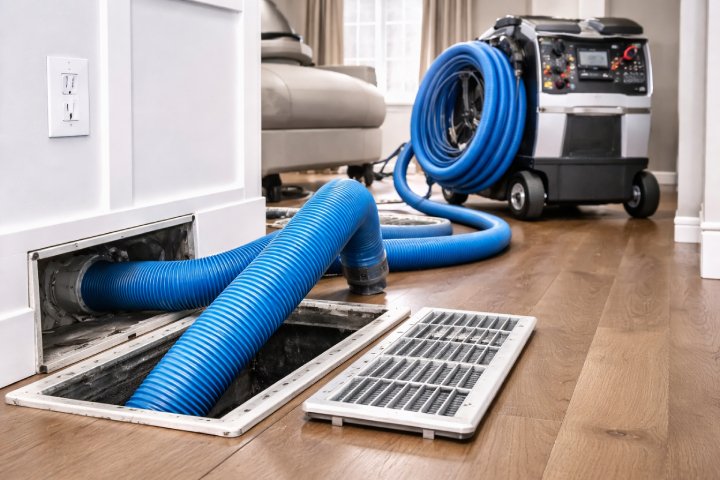
When it is time to hire a duct cleaning service Long Beach, demand full transparency. Look for a company that follows strict National Air Duct Cleaners Association (NADCA) rules. A real professional uses a massive, truck-mounted vacuum to pull the dirt entirely out of your house. They will also show you before-and-after camera footage so you can verify the pipes are actually clean.
Conclusion
Your ventilation system acts as the respiratory system of your entire house. When it is healthy and completely unobstructed, your living spaces feel fresh, your AC equipment runs efficiently, and your utility bills stay low.Learning to identify the specific signs your air ducts need cleaning puts you in complete control of your home’s environment. Do not ignore the sudden puff of gray particles, the lingering musty odors, or the coughing fits that start every time the thermostat clicks on. By paying close attention to these physical indicators, doing the simple flashlight test, and hiring a certified local expert, you protect your expensive HVAC machinery. More importantly, you ensure your family breathes clean, safe air all year long.