It is a chilly winter evening in Los Angeles County, and you turn up the thermostat expecting a comforting rush of warmth. Instead, you feel a freezing draft coming directly from your vents. Finding your heater blowing cold air is a highly frustrating experience, especially when temperatures unexpectedly drop after the sun goes down.
As a NATE-certified team that has diagnosed heating systems across the Long Beach area since 2011, the patterns we see repeat themselves reliably every winter. A heating system is a complex machine, but the root cause is often a simple adjustment or a quick maintenance task you can handle yourself.
Let’s break down the exact mechanical reasons this happens, how to perform basic furnace troubleshooting, and when it is time to bring in the professionals.
Give the System a Minute to Warm Up
Sometimes, patience is the only fix required. Just like a car engine on a cold morning, your furnace needs a moment to get going.
When a heating cycle first initiates, there is a specific sequence of operations. The inducer motor starts, the ignitor warms up, and the gas valve opens. Before the burners generate enough heat to warm the metal heat exchanger, the indoor blower fan might kick on and push the resting, unheated air out of your ductwork.
If you notice cold air blowing from heater vents for just a minute or two before it eventually turns warm, your equipment is operating exactly as intended. There is no malfunction here, just the normal startup process clearing out the cold air sitting in the pipes.
The Most Common Culprit: Your Thermostat Settings
If the chilly draft never stops, the very first place to look is the device mounted on your hallway wall.
The Fan Setting Mistake
In our experience, the fan-set-to-On mistake is the single most common thermostat error we encounter on service calls, particularly in homes with newer digital panels.
When set to “On,” the indoor blower motor is instructed to run constantly, 24 hours a day, even when the actual heating cycle has finished. This means the fan simply pulls room-temperature air from your house and blows it right back out. You end up with a heater blowing cold air but running endlessly. Moving the switch back to “Auto” ensures the fan only runs when the burners are actively creating warmth.
Batteries and Smart Glitches
If your thermostat relies on batteries, a weak charge can cause it to miscommunicate with the furnace control board. Furthermore, smart thermostats occasionally suffer from software glitches after a power outage. Because reboot steps differ significantly between Nest, Ecobee, and Honeywell models, check your specific manufacturer’s support page for the exact sequence—most take under two minutes to reset the communication lines.
A Dirty Filter is Suffocating the Unit
Your equipment requires a steady, massive flow of fresh air to function safely. If you have not changed your air filter in several months, it is likely caked with a thick layer of dust and airborne debris.
A severely clogged filter restricts incoming airflow, which traps the generated heat inside the internal cabinet. When the internal temperature rises to a dangerous level, a built-in safety limit switch automatically shuts off the gas burners to prevent a fire. However, the blower fan keeps running to cool the overheated machine down.
This scenario results in your furnace blowing cold air while the burners stay dead. Pull your filter out and inspect it. If it is entirely gray and blocked, swap it out for a clean one.
The Hidden Coastal Issue: Clogged Condensate Drains
A clogged condensate drain line triggers a float switch that shuts the system down entirely—and because the symptom looks identical to several other failures, it is frequently the last thing homeowners think to check.
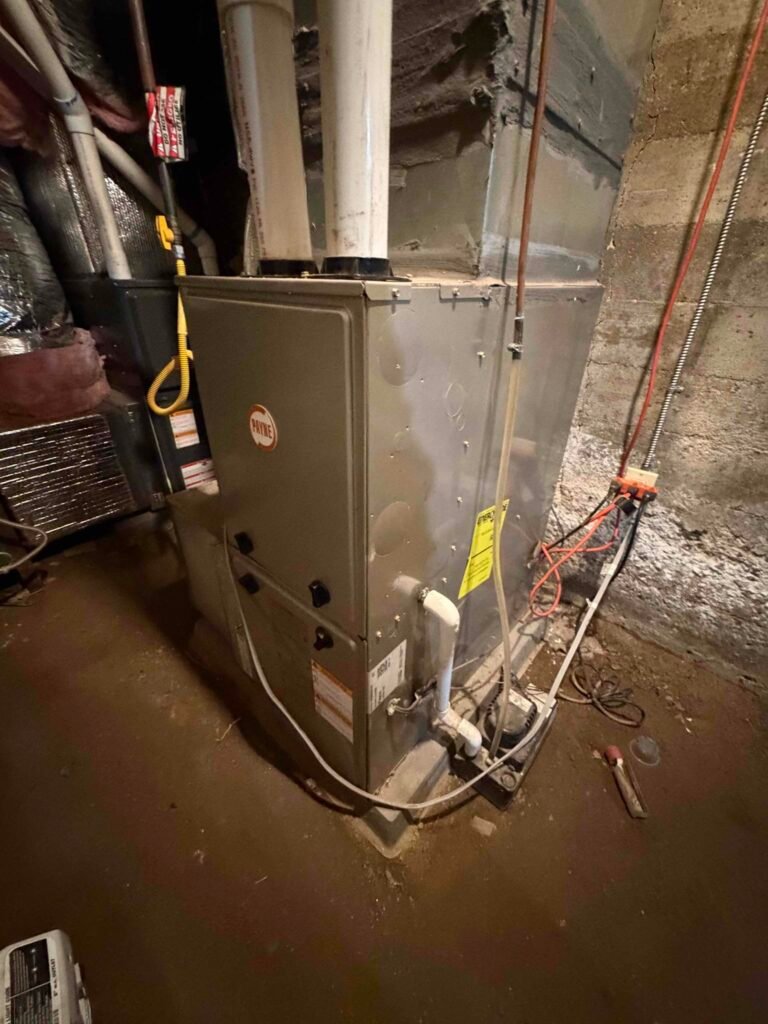
High-efficiency furnaces and heat pumps produce condensation as they run. In coastal climates like Long Beach with higher ambient humidity, algae and sludge can quickly build up inside the PVC drain pipe. When water backs up, a safety switch kills the heating cycle to prevent flooding your floor, leaving the fan to blow unheated air. Pouring a quarter-cup of white vinegar down the access line every few months is a highly effective way to keep this drain clear.
Dealing with a Safety Lockout & Error Codes
If a dirty filter or clogged drain was not the culprit, but the machine keeps shutting the burners down, you might be dealing with a hard safety lockout.
Most modern furnaces display error codes as a sequence of LED blinks on the internal control board—three short blinks followed by one long blink, for instance—with the corresponding fault listed on a diagnostic sticker inside the furnace door. You can look through the small viewing window on the lower panel to count the blinks. This gives you a concrete starting point to reference in your owner’s manual before you call for service.
Ignition Failures and Fuel Problems
Gas furnaces rely on a precise sequence to create combustion. If any part of this sequence fails, the heat stops.
Dirty Flame Sensors
The flame sensor is one of the most frequently misdiagnosed components. A dirty flame sensor typically causes the furnace to light briefly, produce flames, and then shut off within three to five seconds—a cycle it may repeat two or three times before locking out entirely.
Carbon soot naturally builds up on this thin metal rod over time. While a technician can easily scrub light soot away with a wire brush or emery cloth, sensors with pitted metal or cracked porcelain bases have crossed the threshold and require total replacement.
Gas Supply Interruptions & Safety Warnings
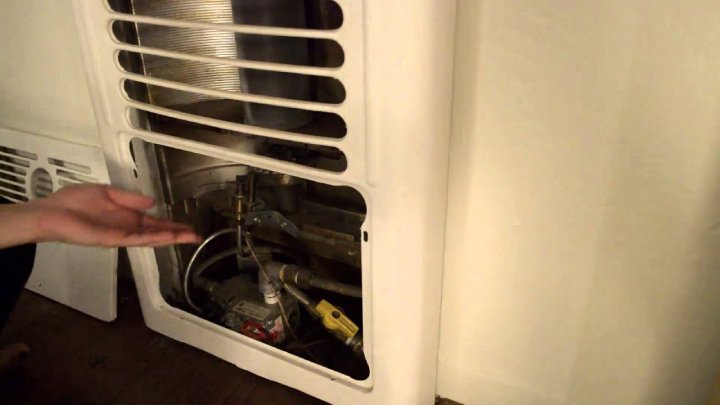
If the burners are not getting fuel, they cannot create heat. Ensure the main gas valve next to the furnace is fully open.
Safety Note: If you are inspecting the gas valve and notice a persistent rotten egg odor, do not attempt further troubleshooting. Shut the unit down at the breaker immediately, leave the house, and call your utility provider. Gas leaks are severe hazards that supersede any DIY repair attempts.
Air Ducts Leaking Your Warm Air
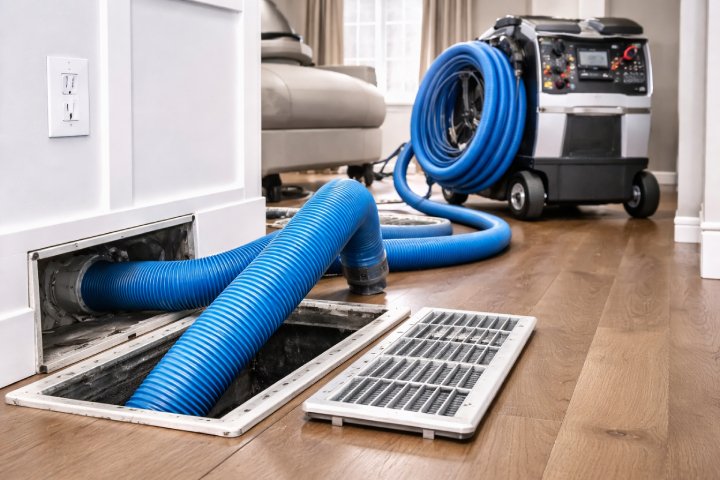
Sometimes the mechanical equipment is working perfectly, but the heat never actually reaches your living spaces. Over the years, ductwork hidden in your attic or crawlspace can tear or separate at the seams.
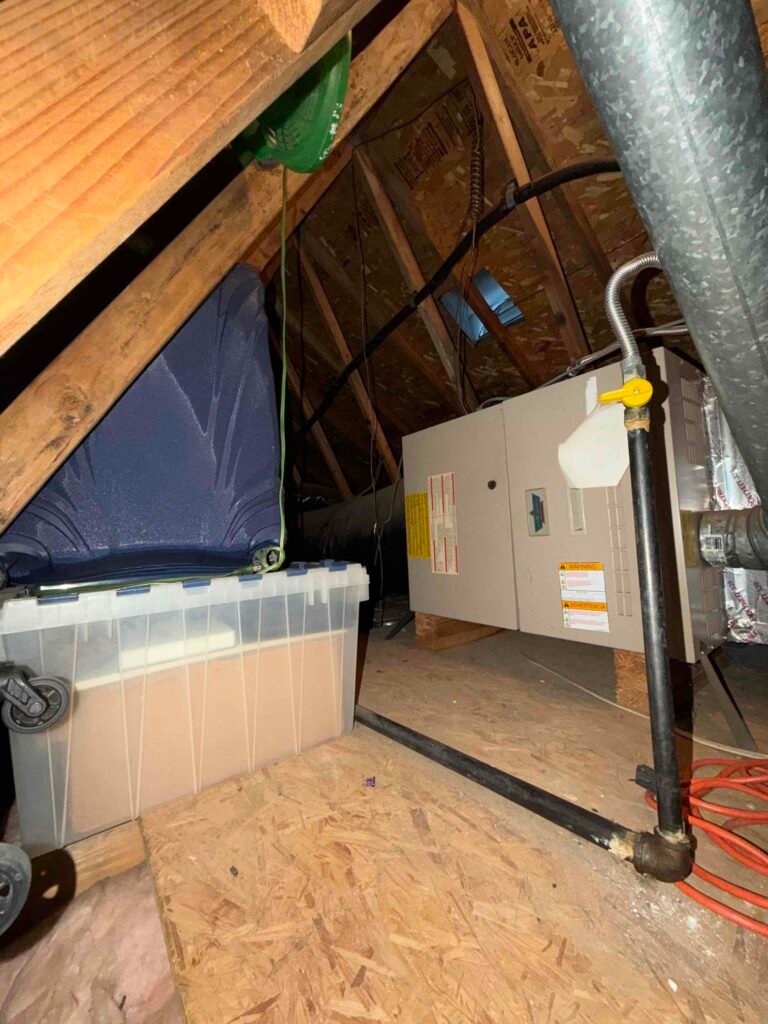
Before assuming you need new equipment, run your hand slowly along the accessible duct joints in your attic or basement while the system is operating. A noticeable rush of warm air against your palm usually identifies the leak point within a few passes.
Keep in mind that the appropriate repair method depends on the material. Minor separations on rigid metal ducts can be sealed with professional HVAC mastic tape. However, torn flexible ducting (flex-duct) often requires splicing in a completely new section to keep the system from heating system not working properly.
Specific Issues with Heat Pumps and Electric Units
Many homes near the coast do not use natural gas at all, relying on electricity instead. These systems have their own unique quirks.
Heat Pump Defrost Cycles
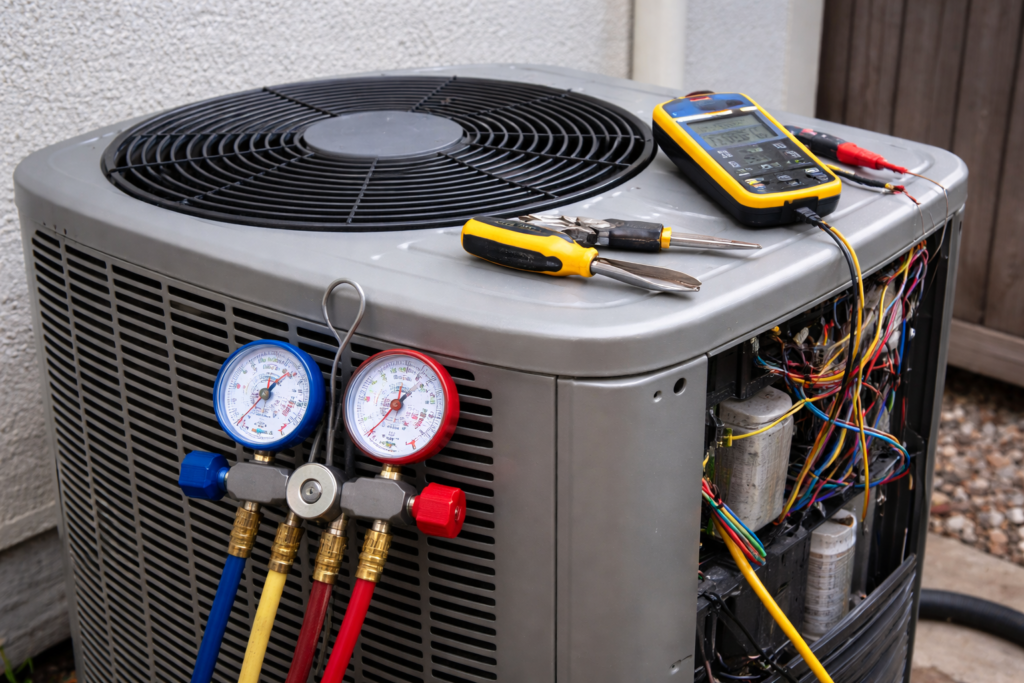
Heat pumps sit outside and pull ambient heat from the coastal air. On particularly chilly nights, the outdoor coils can occasionally frost over. To protect itself, the system temporarily reverses its cycle into “defrost mode” to melt the ice, pushing cool air inside for a few minutes. This is normal. However, a heat pump blowing cold air for hours usually points to a severe refrigerant leak.
Electric Furnace Heating Elements
An electric heater blowing cold air in house often indicates a tripped heavy-duty circuit breaker that killed power to the heating coils, while leaving just enough power for the smaller blower motor to run. If you smell a sharp, electrical burning odor near the air handler, shut off the breaker—a heating element has likely burned out and physically snapped.
Taking Action for heating repair Long Beach
In most Long Beach homes we service, a dirty filter combined with a tripped limit switch accounts for nearly half of all cold-air complaints we receive in winter.
Tackling a simple filter change or rebooting a thermostat is safe and highly recommended. However, if your unit is locked out, displaying error codes, or suffering from ignition failure, it is time to call a professional for a reliable heater blowing cool air fix.
Catching the root cause early almost always means a simpler repair—and far less risk of the original fault stressing secondary components into a complete failure over the winter months. Delaying diagnosis will only turn a minor sensor cleaning into a massive motor replacement.