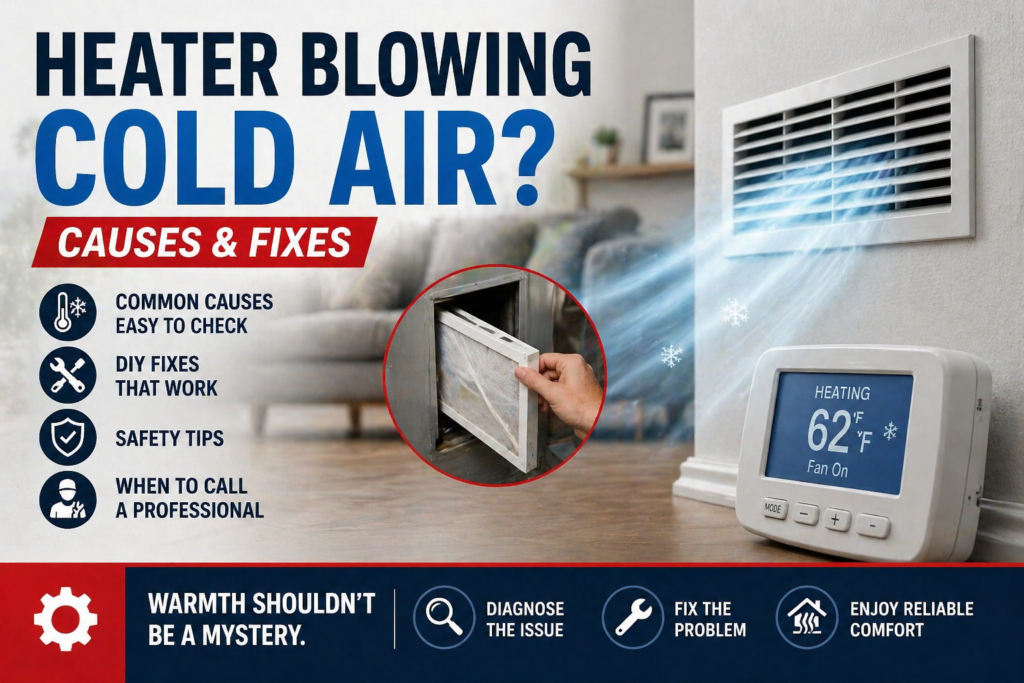
You flip the thermostat to warm up your living room, but all you get is lukewarm air and a strange rattling sound. It is a common frustration in Southern California. Because our winters are short, we tend to forget about our furnaces until we desperately need them.
Ignoring your heating equipment seems like an easy way to save a few dollars in the short term. In reality, skipping your annual heater maintenance is one of the most expensive mistakes a homeowner can make. Neglected systems break down faster, burn more fuel, and frequently void their own warranties.
Taking a proactive approach keeps your home warm and directly protects your wallet. Here is a breakdown of exactly how routine care keeps your hard-earned money in your pocket, and why it is absolutely necessary for Long Beach properties.
1. Stop Paying for Wasted Energy
Every year you skip a tune-up, your system loses about 5% of its operating efficiency. Dust gathers on the blower motor, and soot builds up on the burners. Your system has to work twice as hard just to push air through these clogged components.
When your equipment struggles to breathe, it runs for much longer cycles. This wasted effort directly inflates your monthly utility statement. According to the U.S. Department of Energy, a properly maintained heating system can boost efficiency significantly.
Scheduling a quick cleaning will easily reduce heating bills. Returning the system to its factory-level performance is the absolute best way to lower energy costs without sacrificing your family’s comfort.
2. Prevent Massive Repair Bills Before They Happen
Furnaces rarely break down out of nowhere. A total system failure is almost always the result of a small, ignored issue snowballing into a disaster.
Consider a worn rubber belt. Replacing it early is a cheap, fast fix. However, if that frayed belt snaps while the system is running, it can completely destroy the expensive blower motor and force a system shutdown. Emergency repairs also tend to happen on nights or weekends, meaning you pay premium labor rates just to get a technician to your door.
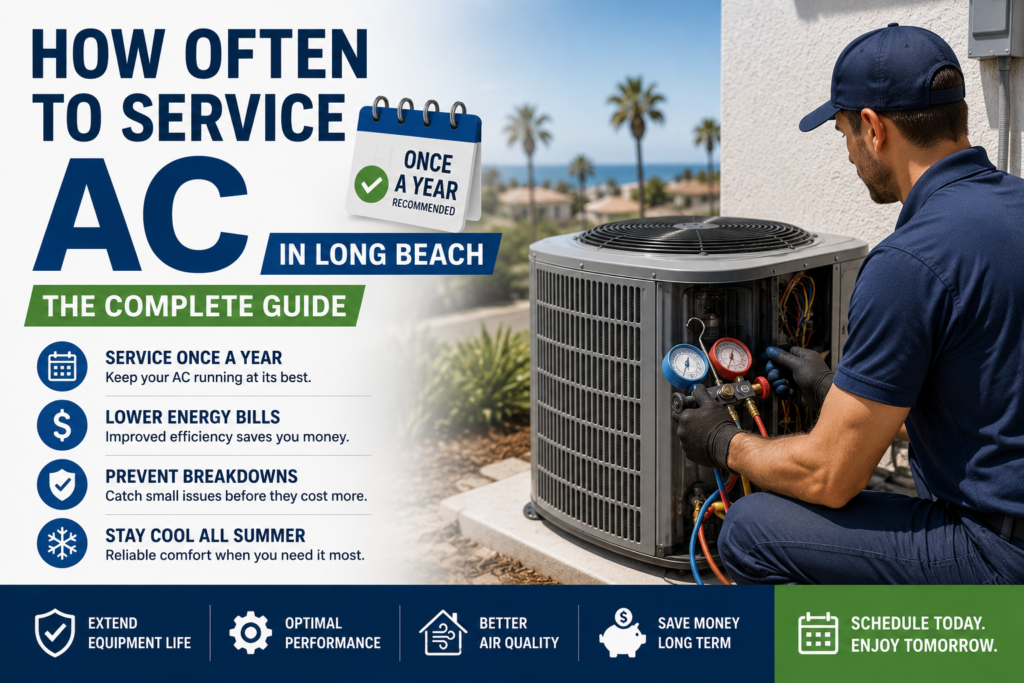
Professional heating system maintenance prevents these domino effects. During a standard visit, a technician inspects every moving part, tightens loose electrical connections, and lubricates dry bearings. Catching these minor wear-and-tear issues early can prevent up to 85% of potential emergency breakdowns.
3. Double the Lifespan of Your Equipment
Replacing a furnace or heat pump is a major financial commitment. You want that equipment to last as long as physically possible.
When a system is regularly cleaned and properly calibrated, it experiences significantly less mechanical stress. With proper care, a quality furnace can easily run efficiently for 15 to 20 years. Some well-maintained units even hit the 30-year mark.
On the flip side, neglected heaters often fail before they even reach ten years old. For homes in Los Angeles County using dual-purpose systems, routine heat pump maintenance is incredibly critical. Because these units handle both summer cooling and winter heating, they run every single day and require consistent upkeep to survive the workload.
4. Keep Your Manufacturer Warranty Valid
If a major part fails on a relatively new furnace, you probably expect the manufacturer to cover the replacement cost. However, you need to read the fine print on your warranty agreement.
Almost all major HVAC manufacturers explicitly require proof of annual service to keep the warranty active. If a compressor dies or a heat exchanger cracks and you cannot show invoices for routine tune-ups, the company will void your claim.
You will be forced to pay for the expensive replacement parts entirely out of pocket. Spending a little on a yearly check-up acts as an insurance policy for your warranty, guaranteeing you are covered when you actually need it.
5. Protect Your Family from Hidden Dangers
While saving money is great, safety is the ultimate priority. Gas furnaces literally burn combustible fuel inside your house. If the equipment is not meticulously maintained, it becomes a severe safety hazard.
A tiny crack in the heat exchanger can leak deadly, odorless carbon monoxide directly into your bedroom air vents. Loose gas line connections create massive fire risks.
During a tune-up, technicians use specialized tools to test for gas leaks and verify that all safety limit switches are functioning perfectly. Preventing a dangerous gas leak or an electrical fire is worth the cost of the service call alone.
6. Breathe Cleaner Indoor Air
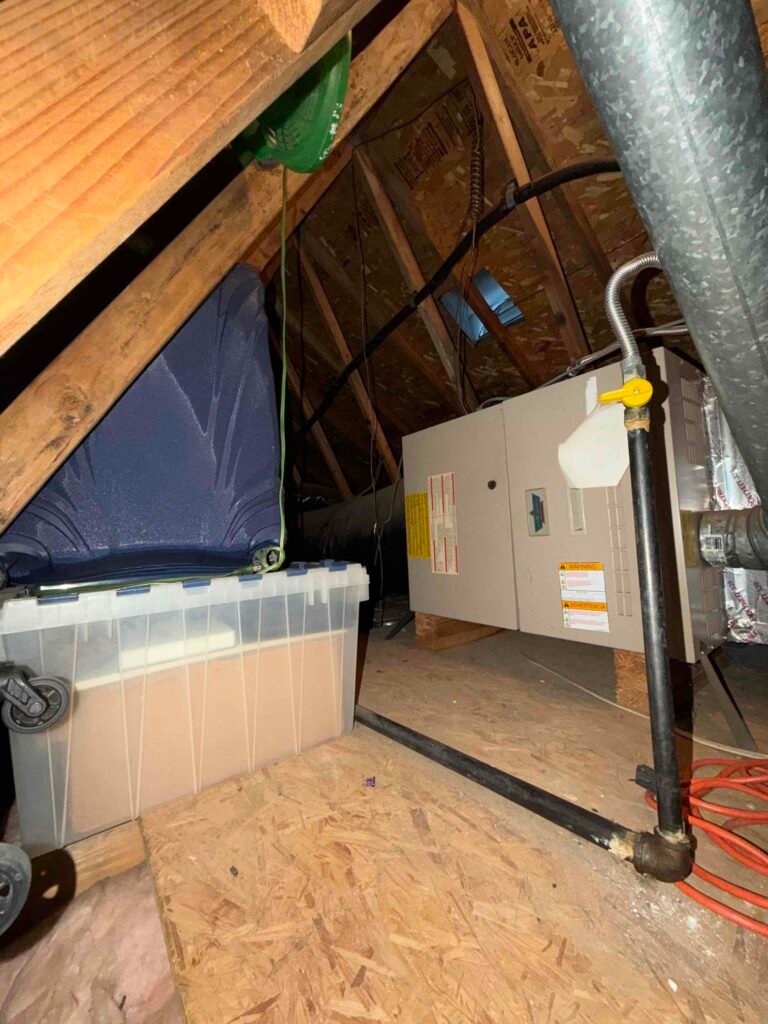
During the long Long Beach summers, your heater sits idle in the garage or attic. Over those months, dust, pet dander, pollen, and even mold spores settle deep inside the ductwork and the furnace cabinet.
The exact second you turn the heat on in December, all of that trapped debris blows directly into your living room. Breathing in these contaminants triggers asthma flare-ups and severe allergy attacks.
Booking a professional heating service Long Beach ensures your internal components are wiped clean and your air filters are swapped out. Clean equipment means the air circulating through your home stays fresh, healthy, and free of irritating allergens.
7. Keeping Local Businesses Running Smoothly
It is not just residential homes that suffer from neglected equipment. Local businesses face the exact same risks, but on a much larger scale. If a retail store or office building loses its heat, it directly impacts employees and drives away paying customers.
Routine commercial heating maintenance is vital for business owners. Commercial HVAC setups are incredibly complex and require specialized care to balance the load across large square footage. Catching a failing part before a business opens for the day prevents expensive downtime and keeps the doors open.
What Happens During Maintenance?
Many homeowners wonder what a technician actually does during a routine visit. A proper heating system maintenance check is not just a quick visual glance; it is a rigorous physical exam for your equipment. Here is exactly what the pros test, clean, and adjust:
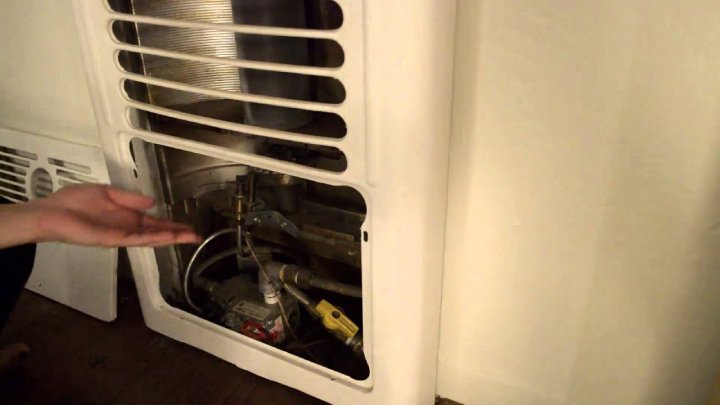
- Burner Inspection: During our long off-season, dust and soot settle heavily on the burners. Technicians scrub these components clean so the gas ignites instantly and burns in a crisp, efficient blue flame, rather than a wasteful, dirty yellow one.
- Airflow Testing: If your blower motor is struggling, your rooms will never heat evenly. The technician tests the internal air pressure and fan speed to ensure warm air is delivered to every corner of your house.
- Thermostat Calibration: The thermostat is the brain of your entire setup. If its internal sensor is off by even two degrees, your heater will run much longer than necessary. Recalibrating the unit ensures exact precision and stops energy waste.
- Electrical Connection Checks: The constant vibration of a running furnace can loosen wiring over time. Loose wires cause sparks, trip breakers, and burn out expensive motors. A technician will tighten every single connection and test the voltage to prevent sudden electrical shorts.
- Heat Exchanger Inspection: This is the most critical safety step. The heat exchanger physically separates the clean air you breathe from the toxic combustion gases. Technicians inspect this metal chamber for microscopic cracks to ensure absolutely zero carbon monoxide is leaking into your home.
What About Heat Pumps in Southern California?
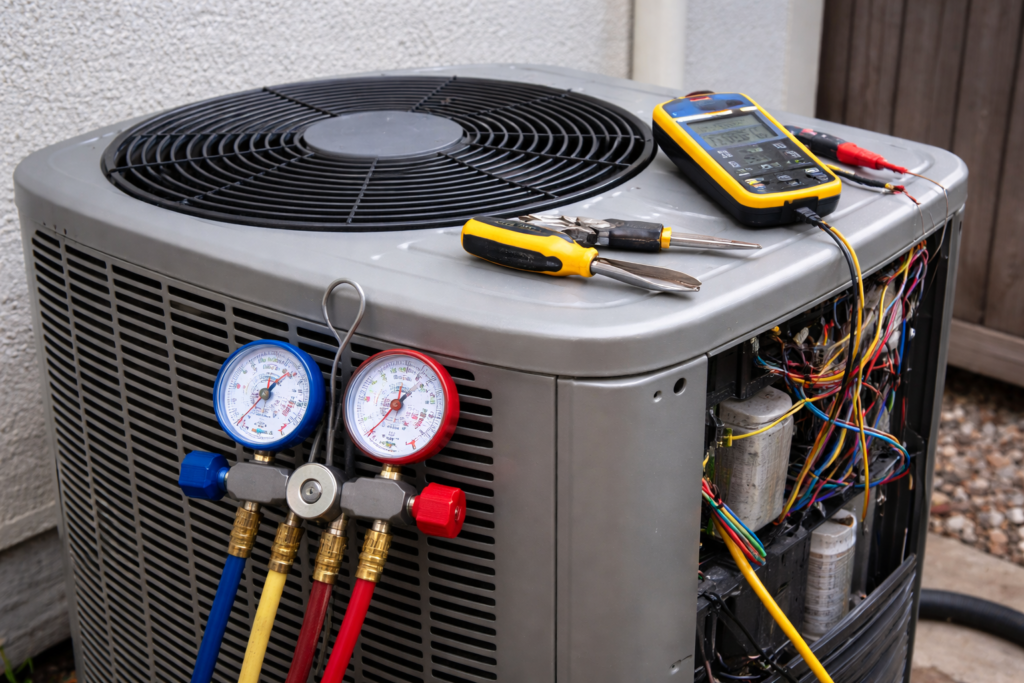
Many homes near the coast rely entirely on heat pumps instead of traditional gas furnaces. Because a heat pump provides both your summer air conditioning and your winter heating, it never gets a season off. The salty, humid coastal air also accelerates corrosion on outdoor metal components.
Because of this heavy workload and unique climate, you actually need a dedicated heat pump maintenance service twice a year: once in the spring to prepare for cooling, and once in the fall to prepare for heating.
Technicians will test the reversing valve, clean the salt-crusted outdoor coils, and check the high-pressure refrigerant levels. Keeping the refrigerant perfectly balanced and the coils clean is the single best way to improve heating efficiency and prevent the compressor from overheating.
Conclusion
Do not wait until you are shivering on the couch to think about your furnace. Taking a proactive approach is the smartest financial decision you can make for your home comfort system.
Annual heater maintenance pays for itself. It slashes your monthly utility bills, stops expensive breakdowns in their tracks, adds years to the life of your equipment, and ensures your family stays safe.If it has been more than a year since a professional looked inside your system, the time to act is now. Contact an expert for reliable heater maintenance in Long Beach today. A quick, affordable tune-up guarantees your house stays warm and highly efficient all winter long.