Summer in Los Angeles County can be brutal. When July rolls around, you want your cooling system to turn on and push out cold air immediately. There is nothing worse than flipping the thermostat switch on a hot afternoon and getting nothing but warm air blowing back at you.
When your system completely dies during a heatwave, you are stuck sweating in your own living room. Local HVAC companies get swamped. You might wait four or five days just to get a repair truck in your driveway. As a local technician who spends every summer fixing these broken systems, homeowners ask me one specific question constantly: exactly how often to service ac units to stop them from breaking down?
The answer is simple and non-negotiable. You need to do it once a year. But just knowing the timeline is not going to save you money. You need to understand why that schedule matters. You also need to know what a technician actually does to protect your expensive machinery from our harsh coastal elements. Let’s break down the reality of keeping your home cool.
Building a Reliable AC maintenance schedule
To keep your equipment running without a hitch, you have to get a professional inspection every twelve months. Skipping a year is not going to cause your outdoor unit to instantly explode. But it does let small, cheap problems turn into massive, expensive failures behind the metal panels.
Timing is a massive part of this. The absolute best time to set up your AC maintenance schedule is during the early spring. April and May are the perfect months to make the call. The weather is still nice, and dispatch boards are wide open.
Booking early gives a technician the time to find and fix a weak electrical part before the severe summer heat destroys it. If you wait until the middle of August to ask for help, you will be competing with hundreds of frantic people who also have broken units. Getting your system checked in the spring puts you ahead of the crowd. You get to relax knowing your equipment is locked and loaded for the heat.
The Coastal Threat to Your Equipment
Living near the ocean in Long Beach is amazing, but it is incredibly tough on outdoor machinery. The main reason we are so strict about how often to service ac system hardware is tied directly to our local geography.
Your outdoor condenser sits in your yard all year long. It is completely exposed to the ocean breeze. That breeze feels great on your face, but it carries heavy amounts of salt and moisture. This salty air constantly coats the delicate aluminum fins and copper pipes inside your unit.
If you just leave this salty grime alone, it slowly eats away at the metal. It causes heavy pitting and leads to severe refrigerant leaks that cannot be patched. Getting a pro to wash away this corrosive salt every single year is the only way to stop the ocean air from destroying your compressor.
What Actually Happens During air conditioner maintenance Long Beach?
A real tune-up is not just a quick look with a flashlight. It is a deep physical exam for your equipment. I strongly advise against trying to do this deep internal work yourself. It is dangerous if you do not know what you are looking at.
High-Voltage Electrical Checks
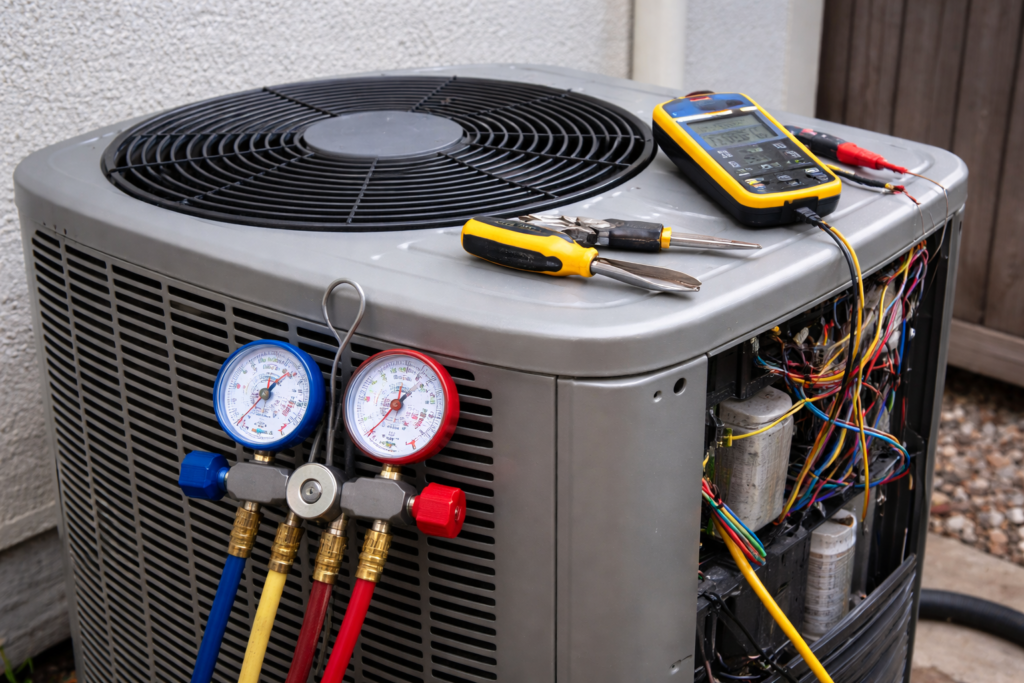
Your system uses a massive amount of high-voltage electricity. During a proper air conditioner maintenance Long Beach visit, a tech focuses heavily on the starting capacitor. This small part acts like a heavy-duty battery. It jump-starts the heavy compressor motor every time the thermostat clicks on.
Because it takes so much daily abuse, the capacitor is usually the very first part to break. Replacing a weak capacitor in April is a cheap fix. Replacing a blown compressor in July is going to hurt your wallet. The tech also takes a screwdriver and tightens all the loose wires to prevent electrical shorts and fires.
Refrigerant Pressure Testing
Air conditioners do not consume refrigerant. It is not like putting gas in your car. The chemical runs in a closed, sealed loop. A technician will hook up specialized heavy-duty gauges to check the exact pressure.
If the pressure is low, you absolutely have a physical leak in the copper lines. Low refrigerant drops the internal temperature too far. This causes the indoor coils to freeze into a solid block of ice. The tech will track down the leak, fix the copper, and recharge the system correctly.
Deep Cleaning the Coils
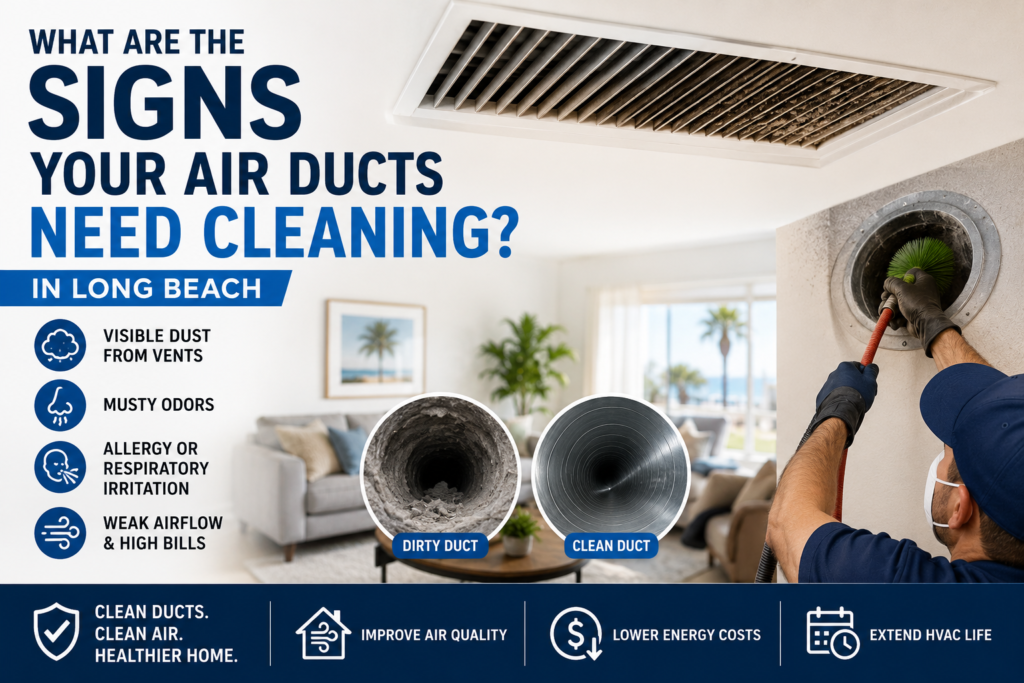
Both your indoor and outdoor coils must be spotless to transfer heat correctly. A thick blanket of dust acts like insulation, trapping the heat inside the machine. A tech uses a special foaming cleaner to pull embedded dirt, pet hair, and salt right out of the metal fins.
Making the Math Work For You
Paying for a service call might feel annoying. I get it. Nobody likes spending money on upkeep. But this is an investment that pays you back immediately on your electric bill.
When your coils are packed with dirt and your motors lack oil, the system has to work twice as hard. It runs much longer and draws a massive amount of electricity from the grid. A freshly tuned unit runs incredibly smooth. It draws far less power per cycle.
Homeowners who sign up for a recurring HVAC maintenance plan almost always see their summer electric bills drop. The monthly energy savings easily cover the cost of the yearly tune-up itself.
It also keeps the machine alive much longer. Think of your cooling system exactly like your car. If you never change the engine oil, the engine dies years before it should. Most residential units should last twelve to fifteen years. Skipping your yearly checkup cuts that lifespan in half. Sticking to a strict AC tune up frequency delays the painful cost of buying a whole new system.
Easy DIY Steps Between Visits
You have to leave the high-voltage electricity and pressurized chemicals to the professionals. But there are a few highly important tasks you need to handle yourself between visits.
Change the Filter Monthly
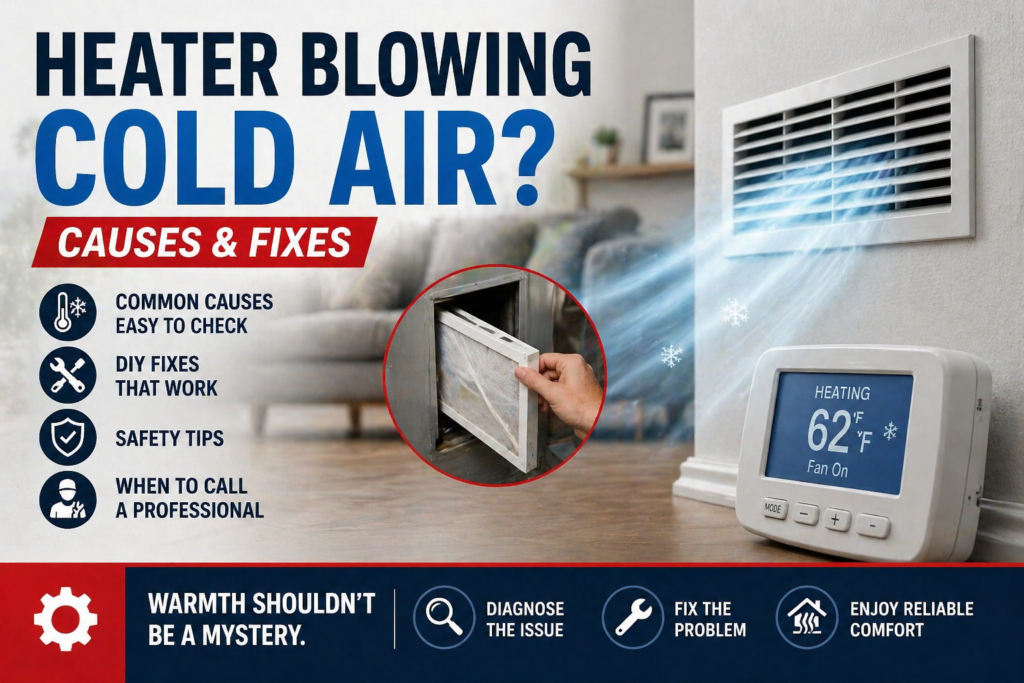
The most critical job for any homeowner is managing the indoor airflow. You need to check your return air filter every 30 days during the peak summer heat. A dirty, clogged filter chokes the incoming air. This causes the blower motor to overheat and burn out.
Pull the filter out. Hold it up to a light bulb in your hallway. If you cannot see light passing clearly through the pleats, throw it in the trash. Put a brand new one in. It is the cheapest insurance policy you can buy for your system.
Flush the Drain Line
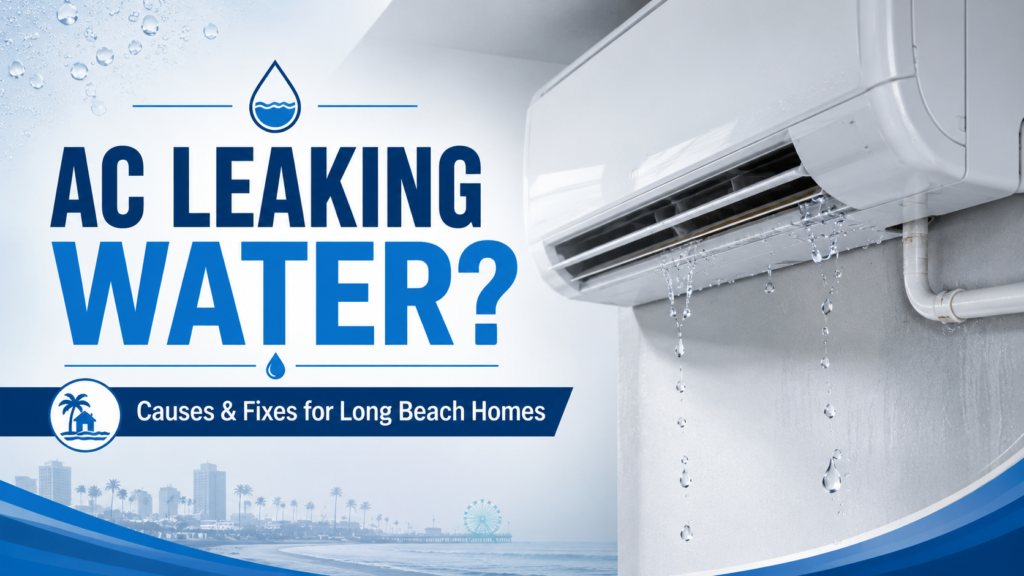
As your system cools the air, it pulls gallons of humidity out of your house. This water drips into a pan and drains outside through a white PVC pipe. Because of our coastal humidity, green algae grows incredibly fast inside this dark plastic pipe.
If the pipe clogs up, a safety switch will trip. It kills the power to your outdoor unit to stop your floors from flooding. Pour a quarter-cup of plain white vinegar down the indoor access port every two months. The vinegar naturally kills the algae and keeps the water flowing safely into your yard.
Conclusion
Taking control of your home comfort means playing offense. Waiting for your equipment to break down during a brutal heatwave puts you entirely at the mercy of busy repair schedules. It also guarantees you will pay premium emergency rates.When your neighbors ask how often to service ac units, you now have the exact answer and the reasoning to back it up. Committing to one professional checkup every spring protects your machinery from coastal salt, stops dangerous electrical failures, and slashes your electric bill. Do not let minor wear and tear quietly turn into a total system failure. Book your annual AC service today. Getting your equipment tuned up now guarantees your Long Beach home remains a cool, comfortable oasis all summer long.