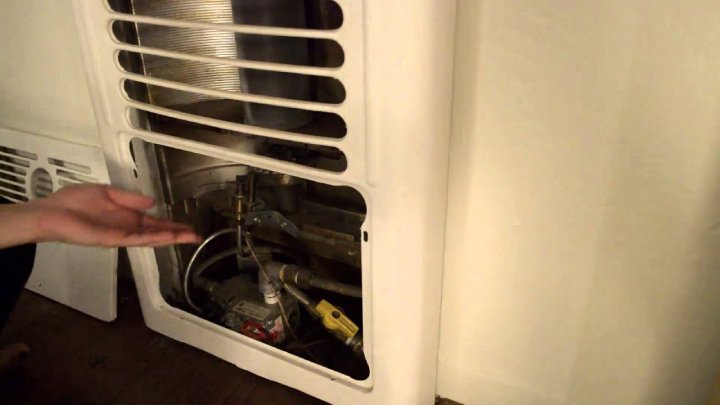
You turn up the thermostat, but the house stays freezing. Finding your heater not working is frustrating, especially when nighttime temperatures unexpectedly drop across areas like California.
While our local winters are generally mild, a broken heating unit quickly turns a comfortable evening into a chilly ordeal. Ignoring the early warning signs usually leads to a complete breakdown on the coldest night of the year, leaving you waiting for emergency service.
Catching problems early saves you money, keeps your family safe, and prevents minor part replacements from turning into total system failures. Here are nine clear indicators that it is time to call for heating repair in Long Beach.
1. The Vents Are Blowing Cold Air
The most obvious sign of trouble is feeling cold air coming from your registers when the system is actively running.
If your furnace not heating the house is a sudden issue, check your thermostat settings first. Ensure the fan is set to “Auto” rather than “On.” If the fan is constantly running, it will blow unheated room-temperature air between actual heating cycles.
If the settings are correct, you likely have a deeper internal issue. A dirty air filter can restrict airflow, causing the internal safety switches to shut down the burners to prevent overheating. Alternatively, you might have a failing electronic ignitor or a broken flame sensor. These components require a technician to diagnose and replace safely.
2. Strange and Loud Mechanical Noises
Heating equipment makes a soft, consistent humming sound during normal operation. You should barely notice it. If that hum turns into a loud, aggressive noise, shut the unit off immediately at the thermostat.
- Squealing or screeching: This usually points to a worn-out fan belt or blower motor bearings that have lost their lubrication.
- Banging or booming: This can indicate delayed gas ignition. Gas builds up in the chamber and ignites all at once with a small explosion. This is a serious safety hazard.
- Rattling: Loose metal panels, internal screws, or failing motor mounts are vibrating as the system runs.
Catching these unusual sounds early means a fast, straightforward heating system repair. Waiting until a belt completely snaps or a motor burns out will cost you significantly more.
3. Unexplained Spikes in Your Utility Bills
Heating your home accounts for a large portion of your winter energy costs. However, if your gas or electric bill suddenly doubles but your usage habits have not changed, your equipment is struggling.
When internal parts wear out, ductwork leaks, or filters get completely clogged, the system has to run twice as hard and twice as long to reach your desired temperature. That extra run time directly inflates your monthly utility bill. Getting proactive heating repair los angeles can restore your system’s efficiency and keep your monthly costs strictly managed.
4. The System Cycles On and Off Constantly
Does your unit turn on, run for three minutes, shut off, and then immediately turn back on? This rapid sequence is called short cycling.
Short cycling puts immense, damaging stress on the electrical starter components and the blower motor. It is frequently caused by a heavily clogged air filter trapping heat inside the cabinet, forcing the safety limit switch to shut the system down to prevent a fire. It can also stem from an oversized unit or a malfunctioning thermostat misreading the room temperature.
Resolving this quickly is essential to avoid destroying the motor entirely. If installing a new filter does not fix the problem, you need reliable heating repair long beach to find the root cause before the system fails permanently.
5. Uneven Temperatures and Cold Spots
Ever notice how your living room is perfectly toasty, but you need a heavy sweater just to sit in the back bedroom? That frustrating temperature swing is a classic sign your system is struggling to push air evenly.
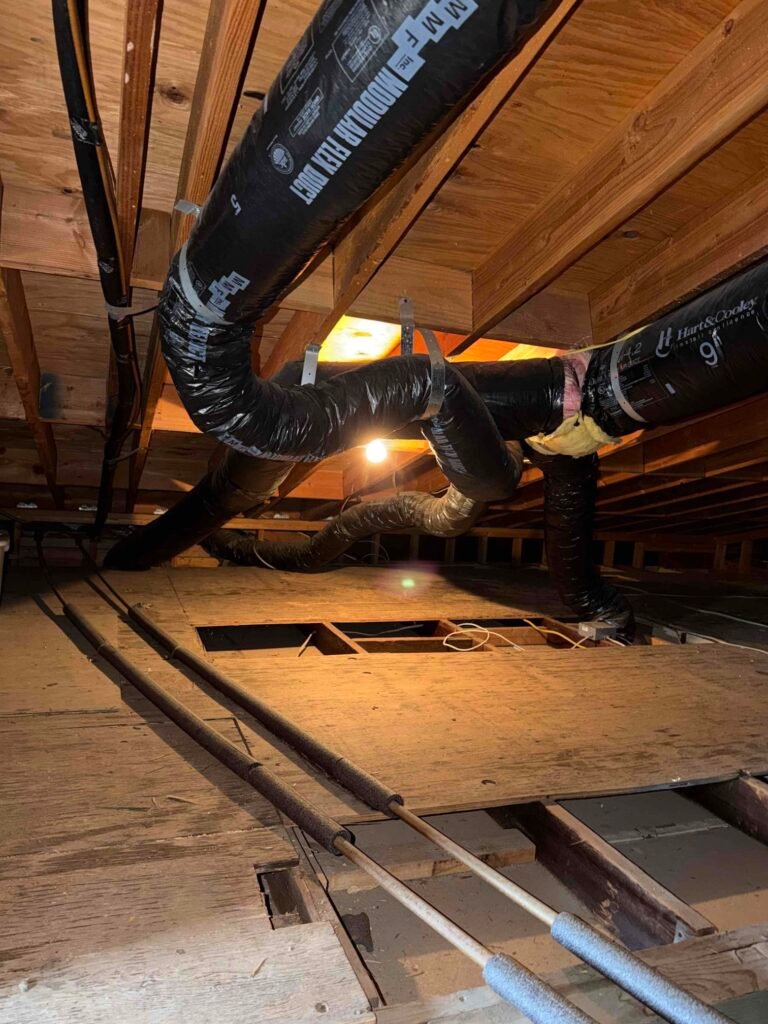
Before you call a pro, do a quick lap around the house. Make sure a rug or a new sofa isn’t accidentally blocking your floor vents. If the vents are wide open, the real problem is likely hiding up in your attic or down in your crawlspace.
Air ducts can tear, disconnect, or get crushed over time. When that happens, all your expensive hot air leaks into the walls before it ever reaches your room. In this case, fixing the furnace won’t help. You need targeted heating duct repair to seal those leaks, reconnect the joints, and get the warm air flowing exactly where it belongs.
6. Bad Smells Coming from the Vents
When you turn the heat on for the very first time in late autumn, a brief burning dust smell is completely normal. The dust that settled on the burners during the summer is simply burning off, and the smell should fade within twenty minutes.
However, persistent or sharp odors are a massive red flag.
- Rotten eggs or sulfur: This means a highly dangerous natural gas leak. Turn the system off, leave the house immediately, and call the gas company.
- Burning plastic or electrical odors: This indicates melting wire casings or a failing electrical motor.
- Musty or damp smells: Moisture has gathered inside the system, leading to mold growth in the coils or the ductwork.
7. The Pilot Light is Yellow, Not Blue
If you have an older gas furnace, take a look at the pilot light flame. It should always burn a crisp, bright blue. A blue flame indicates that the gas is burning cleanly and efficiently.
If the flame is yellow, orange, or constantly flickering, you have a combustion problem. A yellow flame means the gas is not burning completely, which produces carbon monoxide, a deadly, odorless gas. If you see a yellow flame, turn the unit off immediately and schedule an inspection.
8. Unresponsive Thermostat Controls
Sometimes the mechanical equipment is perfectly fine, but the brain of the operation is broken. If you turn the temperature up and absolutely nothing happens, your thermostat might be dead.
Start by changing the batteries. If the screen is still blank or the heater refuses to respond to inputs, the internal wiring might be loose, or the thermostat itself has aged out. Upgrading to a modern smart thermostat often solves the communication error and improves your overall energy efficiency at the same time.
9. Issues Specific to Heat Pumps
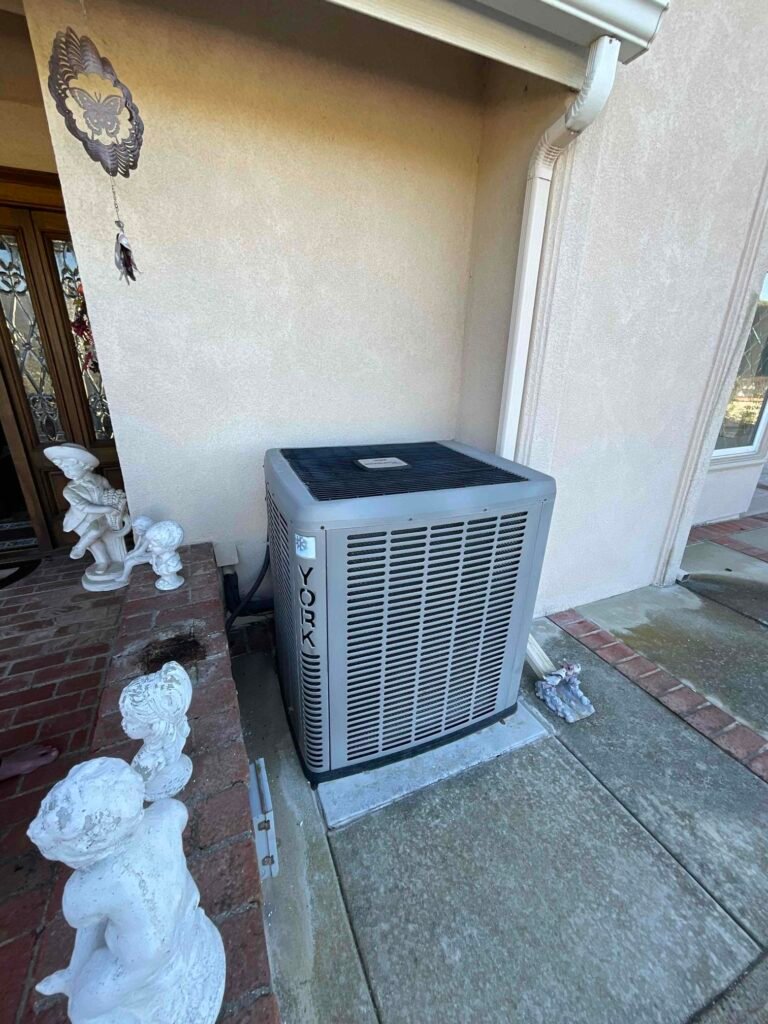
Many homeowners in our area rely on heat pumps rather than traditional gas furnaces. Because they handle both summer cooling and winter heating, they never get a season off. Add in the constant exposure to Long Beach’s coastal humidity and salt air corrosion, and the outdoor metal components break down much faster than inland systems.
If you find your heat pump not heating, the issue is often related to the reversing valve getting physically stuck. Another common culprit is low refrigerant levels due to a pinhole leak eaten away by that salty air.
When you need to fix a heat pump, you must hire a technician certified to handle high-pressure refrigerants. A standard heat pump repair usually involves locating and sealing the leak, recharging the system to the exact factory specifications, and testing the electrical defrost controls.
The $5,000 Rule: Repair vs. Replace
How do you know when to stop fixing an old, tired machine and just invest in a brand new unit? HVAC professionals use the $5,000 rule to make the decision objective.
Simply multiply the age of your equipment by the cost of the quoted repair.
- If a 12-year-old system needs a $500 motor, the total is $6,000. Because that number exceeds $5,000, it is financially smarter to replace the unit.
- Conversely, a $300 fix on a 5-year-old system is only $1,500, making the repair the logical and affordable choice.
Keep the standard 10 to 15-year average lifespan in mind. Once a unit passes twelve years old, finding replacement parts becomes difficult, and mechanical failures become a frequent, seasonal occurrence.
Conclusion
Ignoring the early warning signs of a failing heating system never saves you money. It only delays the inevitable and makes the final repair bill substantially higher. Pay close attention to strange mechanical noises, sudden spikes in your utility bills, and uneven temperatures across your rooms.Do not wait for a complete breakdown on a cold January night to take action. If you notice any of these distinct red flags, schedule professional heating repair long beach today. A fast, expert tune-up will keep your home safe, perfectly warm, and highly energy-efficient all season long.