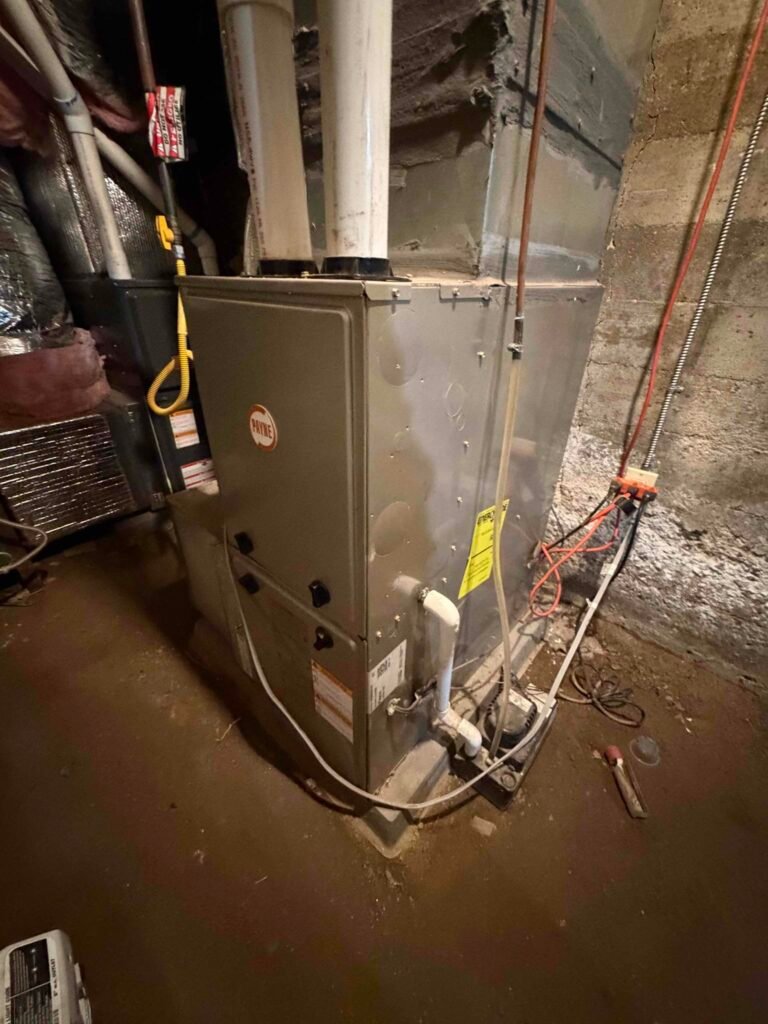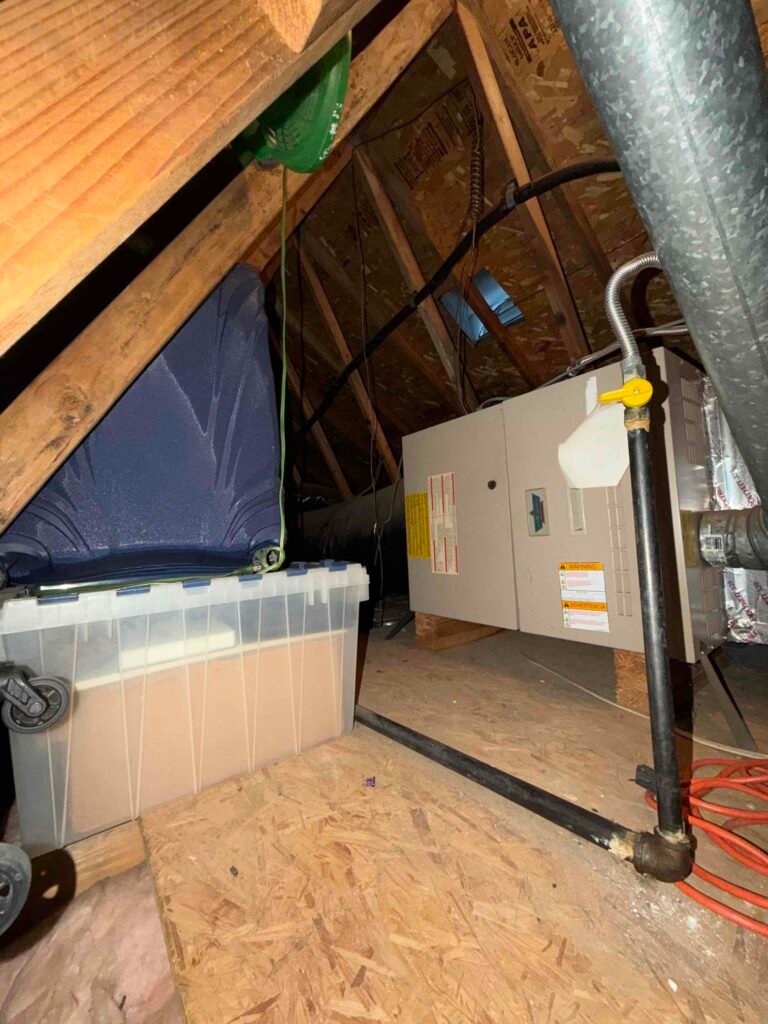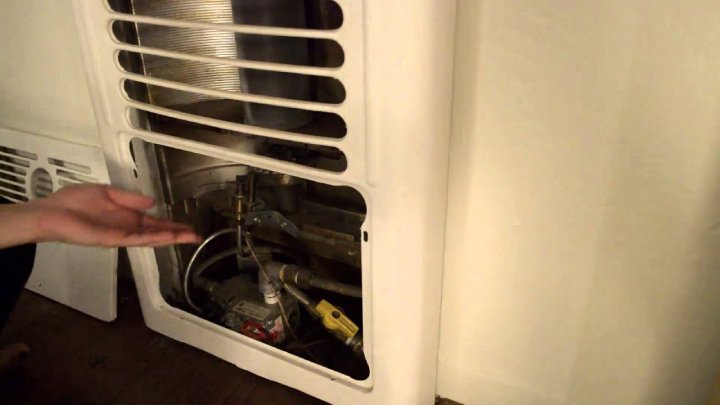
In Long Beach and across Los Angeles County, we don’t think about our heaters very often. We spend most of the year trying to stay cool. But when that first chilly night hits in December, you expect your furnace to work immediately.
Want it to turn on safely when you need it? Get routine care.
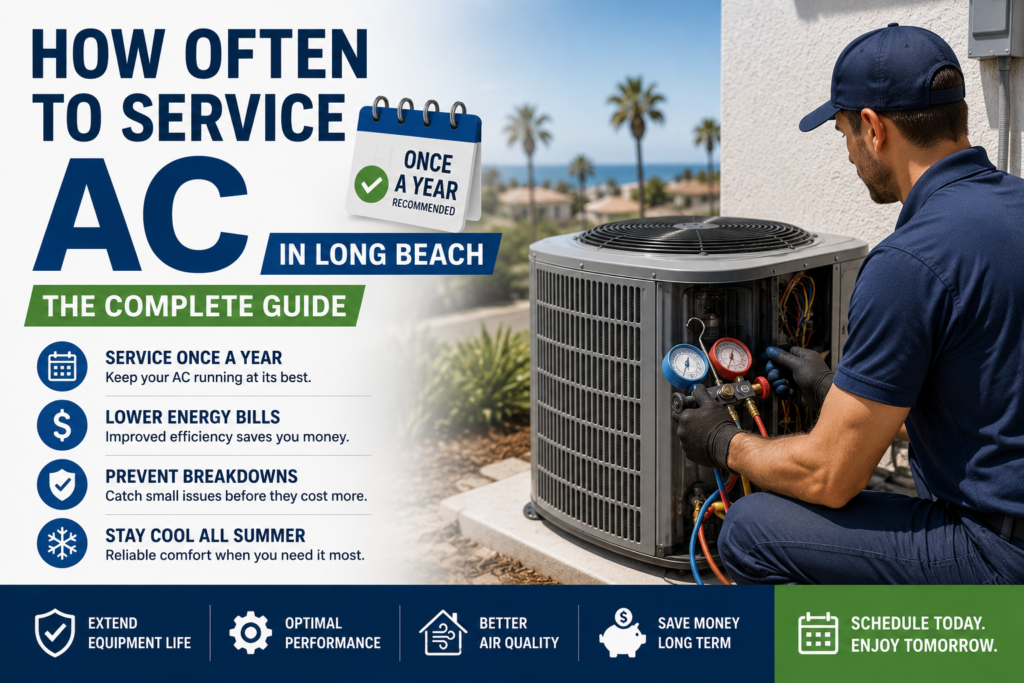
Service your heater once a year, that is exactly what manufacturers recommend.
If you skip this, you aren’t just risking a breakdown on a 45-degree night. You could be voiding your warranty or letting a small gas leak go unnoticed. This guide explains exactly when to call a pro, what happens during the visit, and why your system needs attention even in our mild climate.
The Standard Schedule – Once a Year
For most homes, the rule is simple: Service your heater annually.
Carrier, Trane, Lennox, all these brands assume you will get yearly service to keep their equipment running.
Best Timing: September or October Get this done in the early autumn. You want to catch problems before you need the heat.
- Why Autumn? Once the cold weather truly arrives, technicians get busy. If your heater refuses to start on the coldest night of the year, you will wait days for an appointment. Booking in September or October puts you ahead of the rush.
Local Angle: Even though SoCal winters are mild, your heater still works hard during those short bursts of cold. Neglect leads to inefficiency, meaning you pay more for less heat.
Heat Pumps Need Different Care
There is one major exception to the “once a year” rule. If your home uses a heat pump, you need more visits.
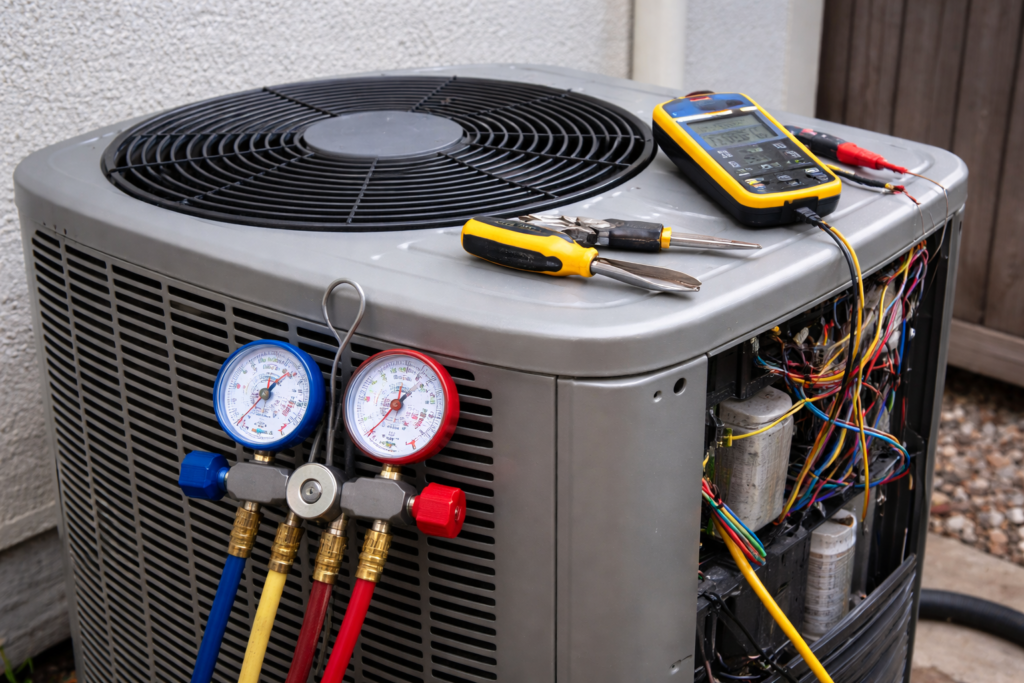
A heat pump is unique because it works all year round. In the summer, it acts like an air conditioner. In the winter, it reverses to provide heat. Because it runs almost every day, it suffers twice as much wear and tear.
For these systems, you need heat pump maintenance services twice a year.
- Spring: Cooling tune-up.
- Fall: Heating check-up.
This keeps the reversing valve and the compressor—the two most expensive parts—running smoothly.
Why Service a Rarely-Used Heater?
California homeowners ask us this all the time. “My heater was off for nine months. Why does it need service?”
The truth is, idle time = dirt buildup.
When your furnace sits unused, dust and debris settle inside.
- Spider Webs: A real issue in SoCal garages and attics. Spiders spin webs in the burner assembly.
- Dust Burn-Off: When you finally turn the system on, that dust burns off, creating a bad smell.
- Safety Risks: Debris can block the burners, causing the system to overheat and shut down safely.
A professional heating tune-up service clears out this buildup, so your system runs clean from the first start.
What a Professional Maintenance Visit Includes
Think a tune-up is just a quick look at your furnace? Here is what really happens.
Safety Inspections Come First Gas furnaces burn fuel to create heat. This process produces exhaust gases, including carbon monoxide.
- Heat Exchanger: We check for cracks. Even a hairline crack can leak toxic gas into your bedrooms.
- Gas Lines: We test connections for leaks. A loose fitting is a fire hazard.
These checks are the main reason you should never skip your annual heating system maintenance.
Cleaning Critical Components Next, the pro cleans the internal parts.
- Flame Sensor: If this gets dirty, it shuts your heater off randomly.
- Burners: Dirty burners produce a weak, yellow flame instead of a strong, blue one. This wastes fuel.
Airflow and Performance Testing Your heater needs to breathe. We inspect the blower motor and adjust the fan belt if it is loose. We also calibrate your thermostat to ensure it reads the temperature accurately. Finally, we check your air filter and let you know if it needs changing.
What Skipping Maintenance Actually Costs
You might think skipping a year saves money. In reality, it costs you more.
1. Voided Warranties Check your warranty paperwork. Most manufacturers state the warranty is only valid if you provide proof of regular service. If a motor dies after three years and you have no records, you pay for the repair yourself.
2. Higher Monthly Bills A dirty system works harder. It takes longer to reach the set temperature. This can increase your energy use by 10–15%. Routine furnace maintenance service keeps the system efficient.
3. Emergency Repair Premium Breakdowns always happen on the coldest nights. Emergency calls in December cost significantly more than a scheduled maintenance visit in September.
Warning Signs – Call Now, Don’t Wait
Sometimes, you can’t wait for your annual appointment. Call a pro immediately if you see:
- Yellow/Orange Flame: Indicates incomplete combustion and a carbon monoxide risk.
- Banging/Screeching: Mechanical failure is imminent.
- Short Cycling: Heater runs for 3 minutes, then stops (overheating).
- Uneven Heating: Ductwork or blower issues.
- Burning Smell: Anything lasting longer than the first 20 minutes of the season is a red flag.
What Homeowners Can (and Can’t) Do
We love informed homeowners, but know your limits.
What You CAN Do:
- Change Filters: Check monthly. A dirty filter is the #1 cause of failures.
- Clear the Area: Keep a 3-foot clearance around your unit.
- Test Detectors: Check your carbon monoxide alarms monthly.
- Listen: Note any new sounds for the technician.
What Needs a Pro:
- Gas Lines: Dangerous fire risk.
- Electrical: High voltage shock risk.
- Internal Cleaning: Requires specialized tools to avoid damaging sensors.
- Safety Controls: Requires diagnostic equipment.
Your Pre-Winter Heating Maintenance Checklist
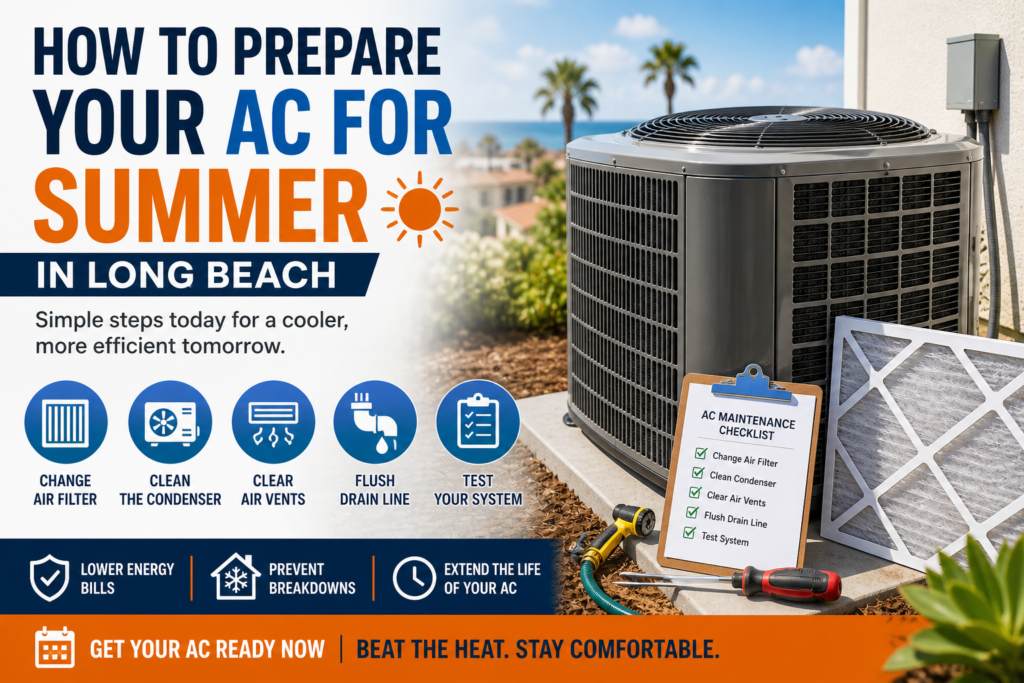
Get your home ready with this simple list:
- Schedule annual service (Sept-Oct).
- Change the air filter.
- Test your thermostat batteries.
- Check CO detectors.
- Clear clutter around the furnace.
- Note any unusual sounds or smells.
How Much Time and Money?
Time: A typical visit takes 1 to 2 hours.
- Factors: System age, accessibility, and last service date affect this.
- Be Home: Ideally, yes. You can ask questions and get a full report on the system’s health.
Cost Transparency: Annual heating maintenance service typically costs $80–$150 in the Long Beach area.
- Compare that to a $500–$1,200 emergency repair.
- Service Agreements: Many companies offer annual plans ($150–$200) that include priority service and discounts on repairs.
Finding the Right Pro in Long Beach
Not all technicians are created equal. When booking, look for:
- Certifications: NATE (North American Technician Excellence) certification proves they passed industry exams.
- Experience: Look for companies familiar with local SoCal heating systems.
- Transparency: They should offer a clear price before starting work.
Conclusion
Annual service equals peace of mind. You want to know that when you turn the thermostat up, warm air comes out safely.In Long Beach and LA County, fall is the perfect time. Book your heating maintenance service before the December rush creates a waiting list. A little prevention now keeps your home warm, safe, and efficient all winter long.